Eight categories where Bangladesh climate impact can become carbon value.
Each category has its own eligibility, methodology, and MRV requirements. We screen and develop projects only where carbon-credit eligibility, additionality, and monitoring can be clearly supported.
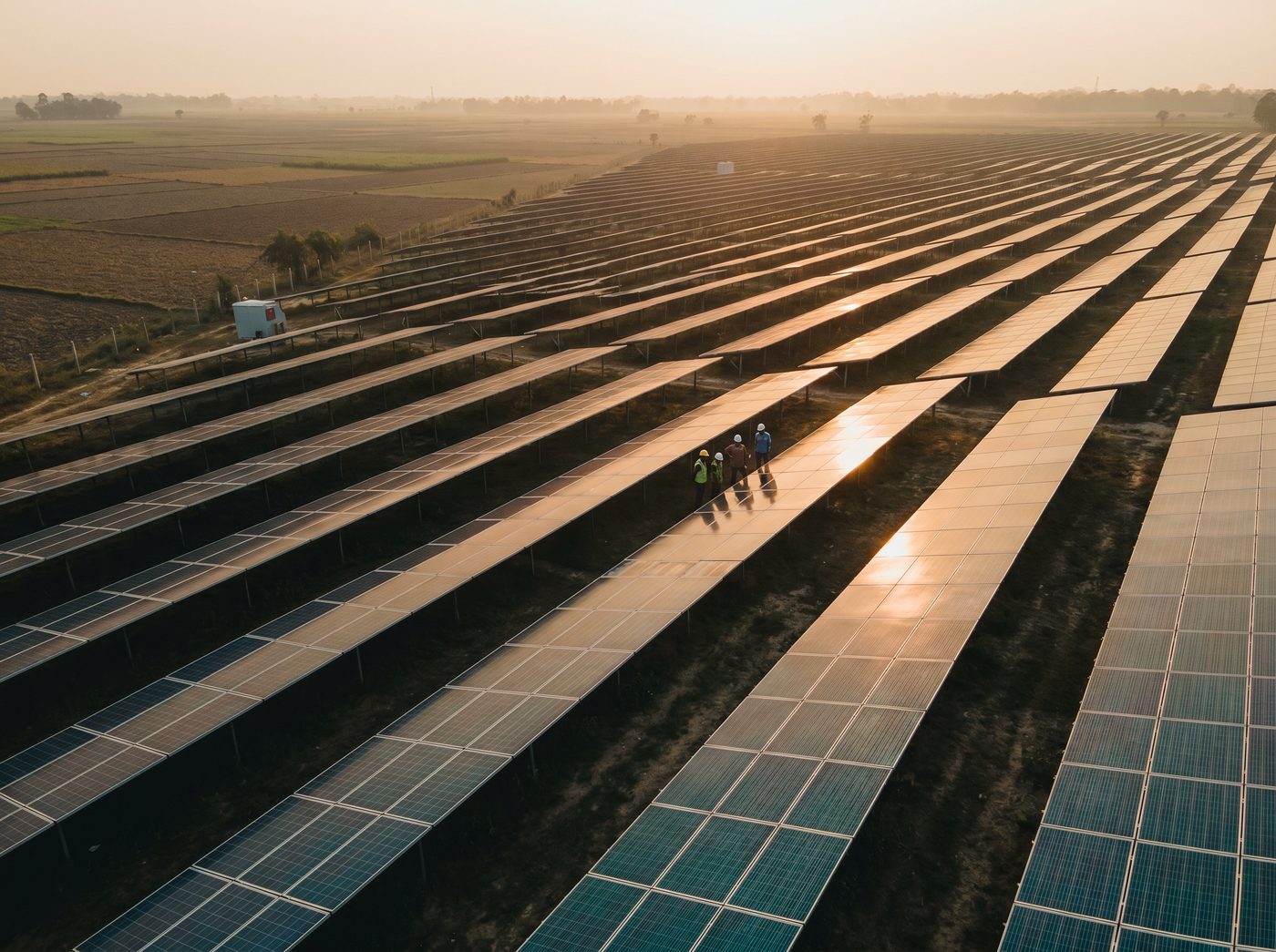
Renewable energy carbon projects from Bangladesh.
We screen and develop selected solar, energy access, battery-supported, and distributed renewable-energy projects where carbon-credit eligibility, additionality, and MRV can be clearly supported.
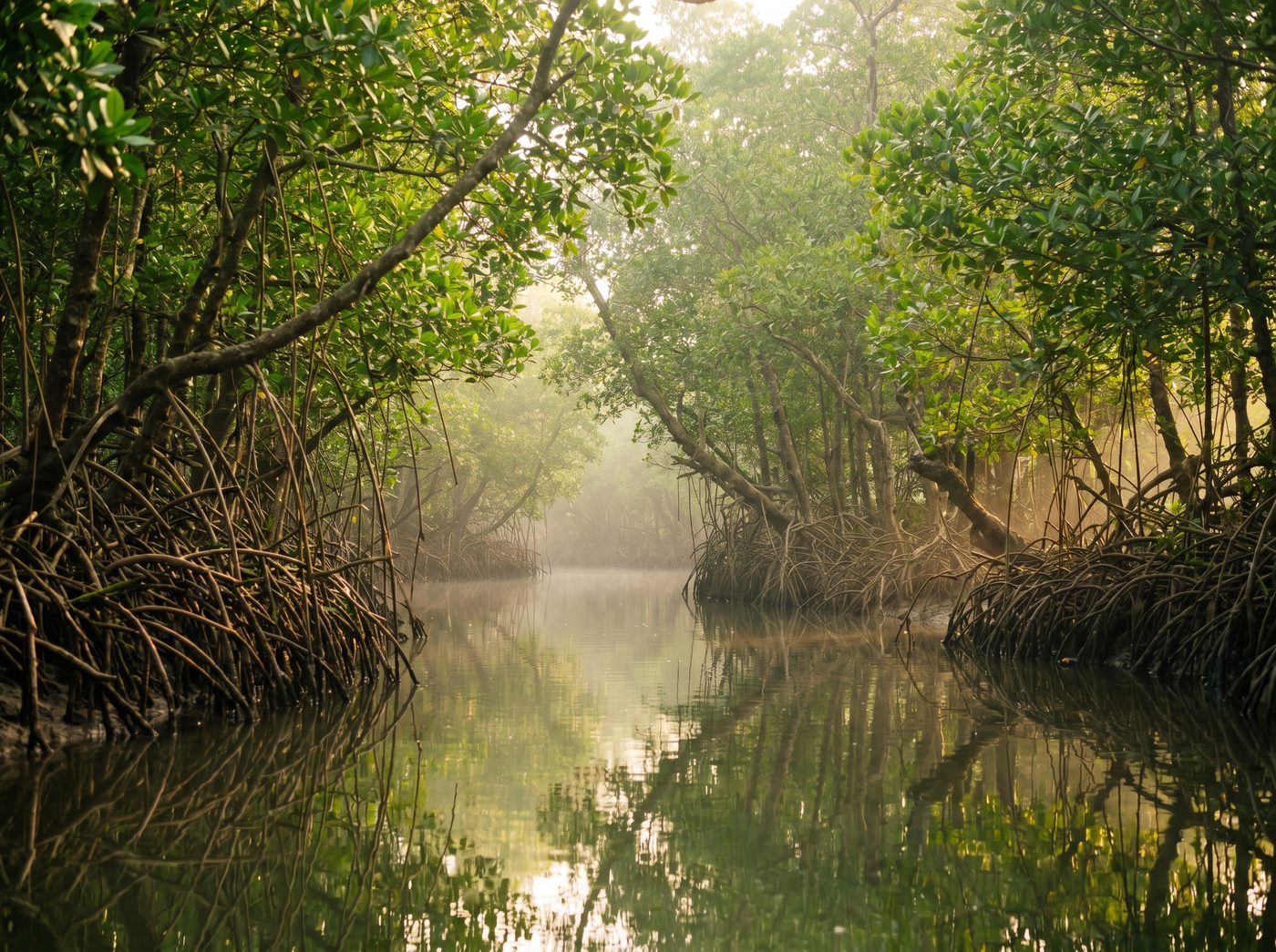
Nature-based carbon projects with local benefit and long-term accountability.
Forestry, agroforestry, coastal restoration, and mangrove projects can carry strong climate and community value, but they need careful land-rights review, permanence planning, monitoring, safeguards, and benefit-sharing.
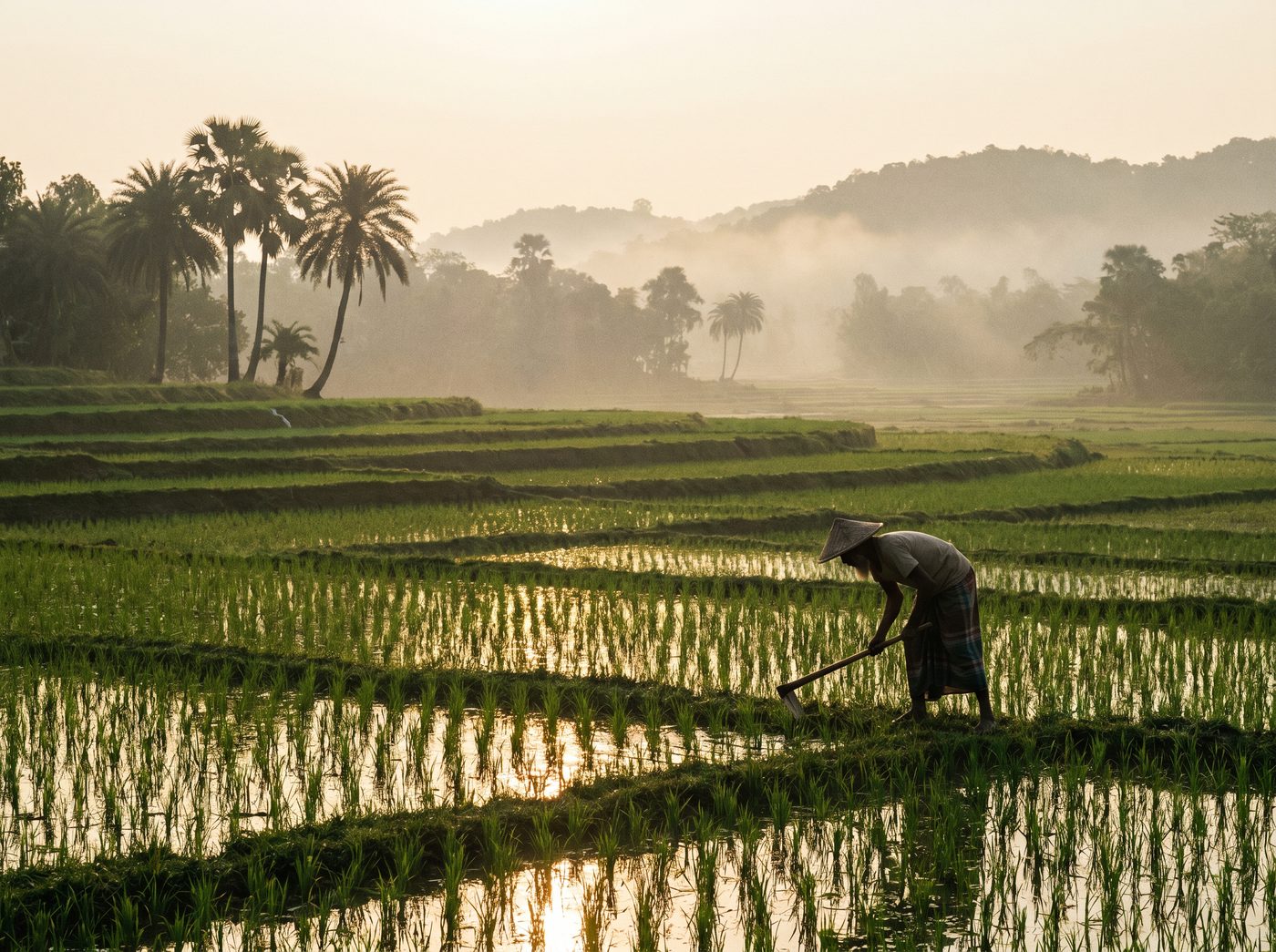
Agriculture carbon projects built around farmer data and field-level MRV.
We assess rice methane reduction, efficient irrigation, soil practices, and farmer aggregation models where climate benefit can be measured and verified responsibly.
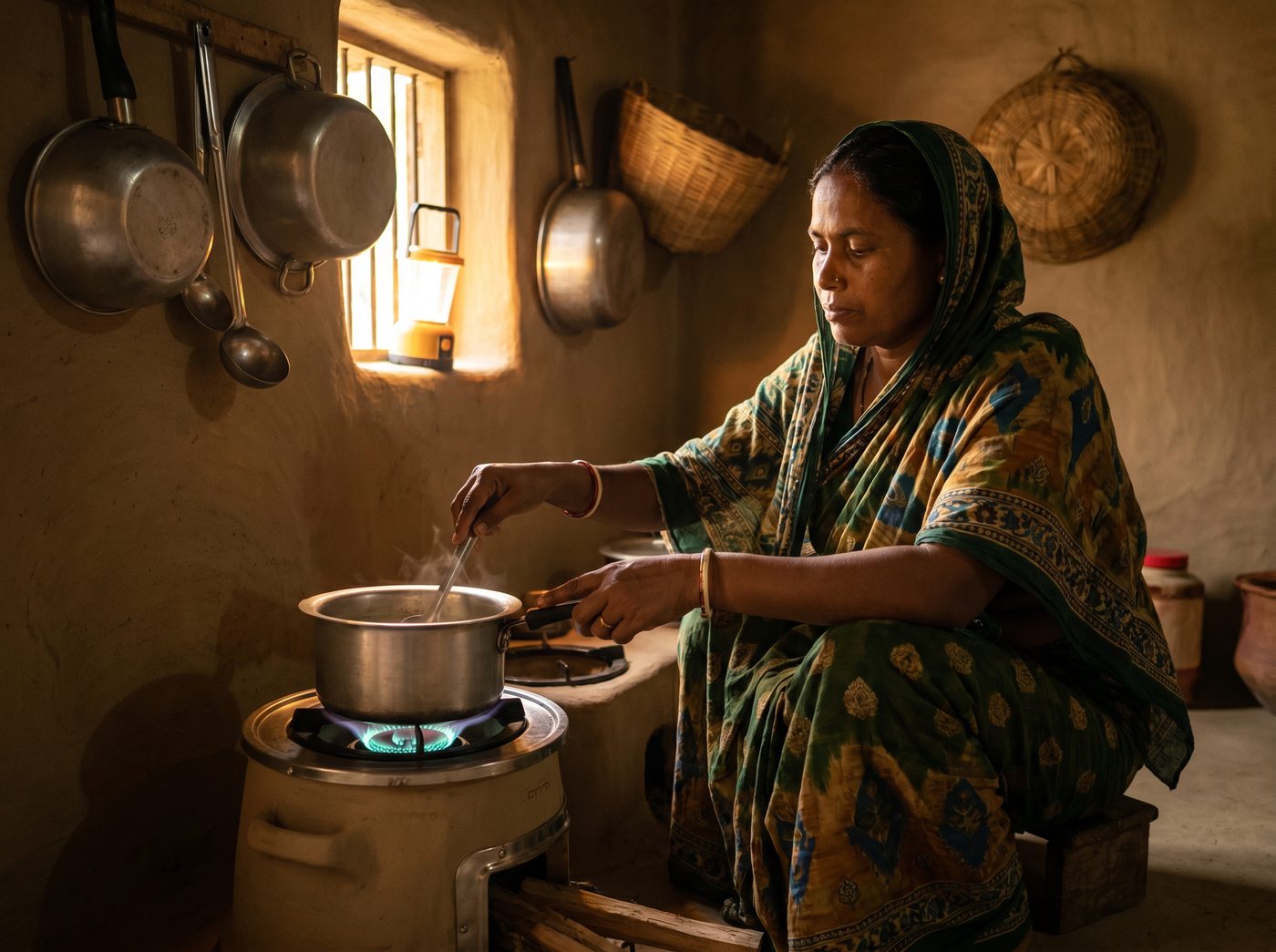
Clean cooking carbon projects that start with household reality.
Clean cooking projects need credible usage data, household adoption, baseline fuel analysis, stove or device performance, safeguards, and transparent benefit-sharing. We help evaluate and structure projects for serious buyer diligence.
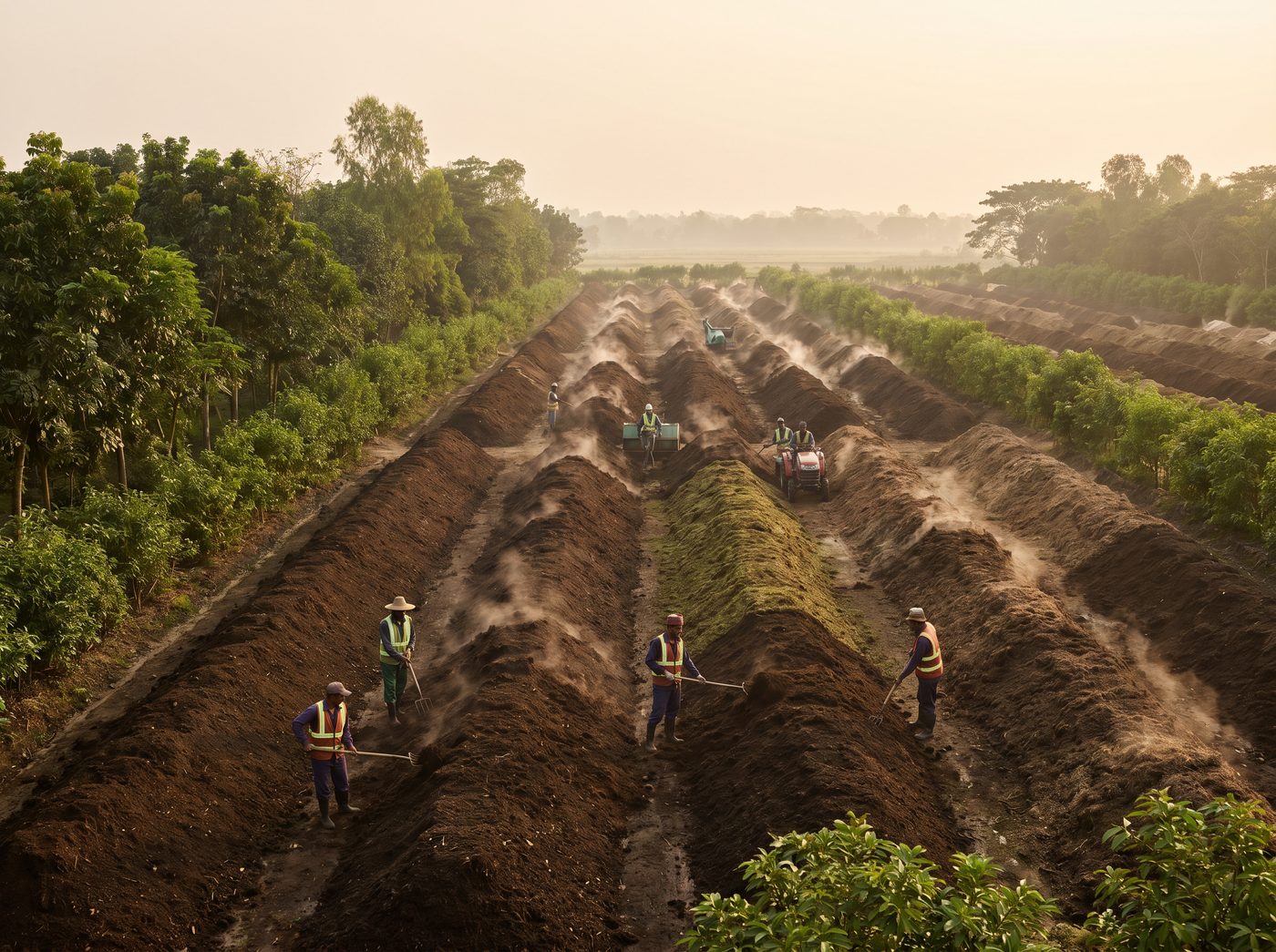
Waste and methane projects for measurable urban climate impact.
Composting, organic waste, landfill methane, wastewater, and waste-to-resource projects can create climate value when project boundaries, baseline, monitoring, and municipal or private ownership are clearly documented.
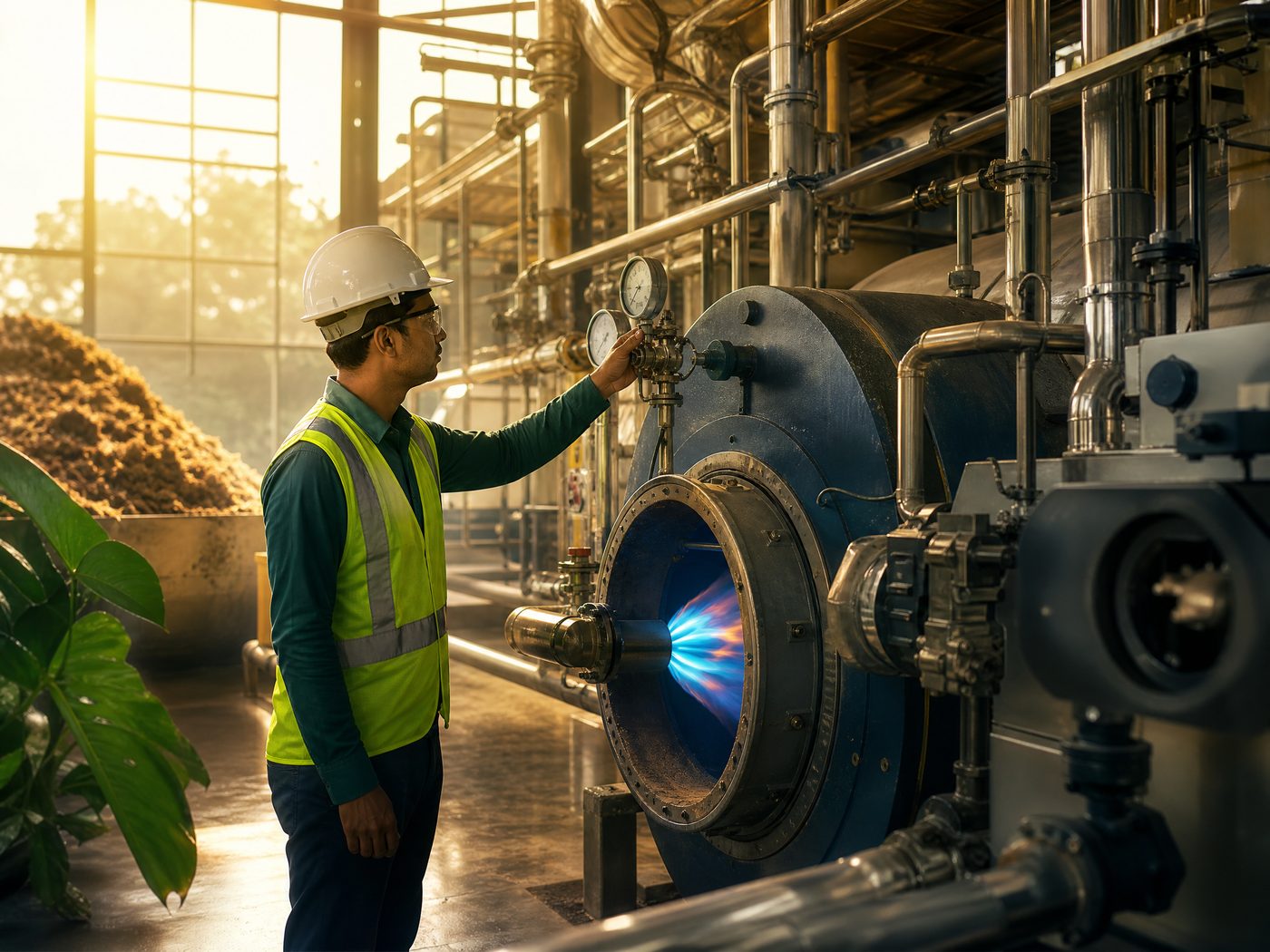
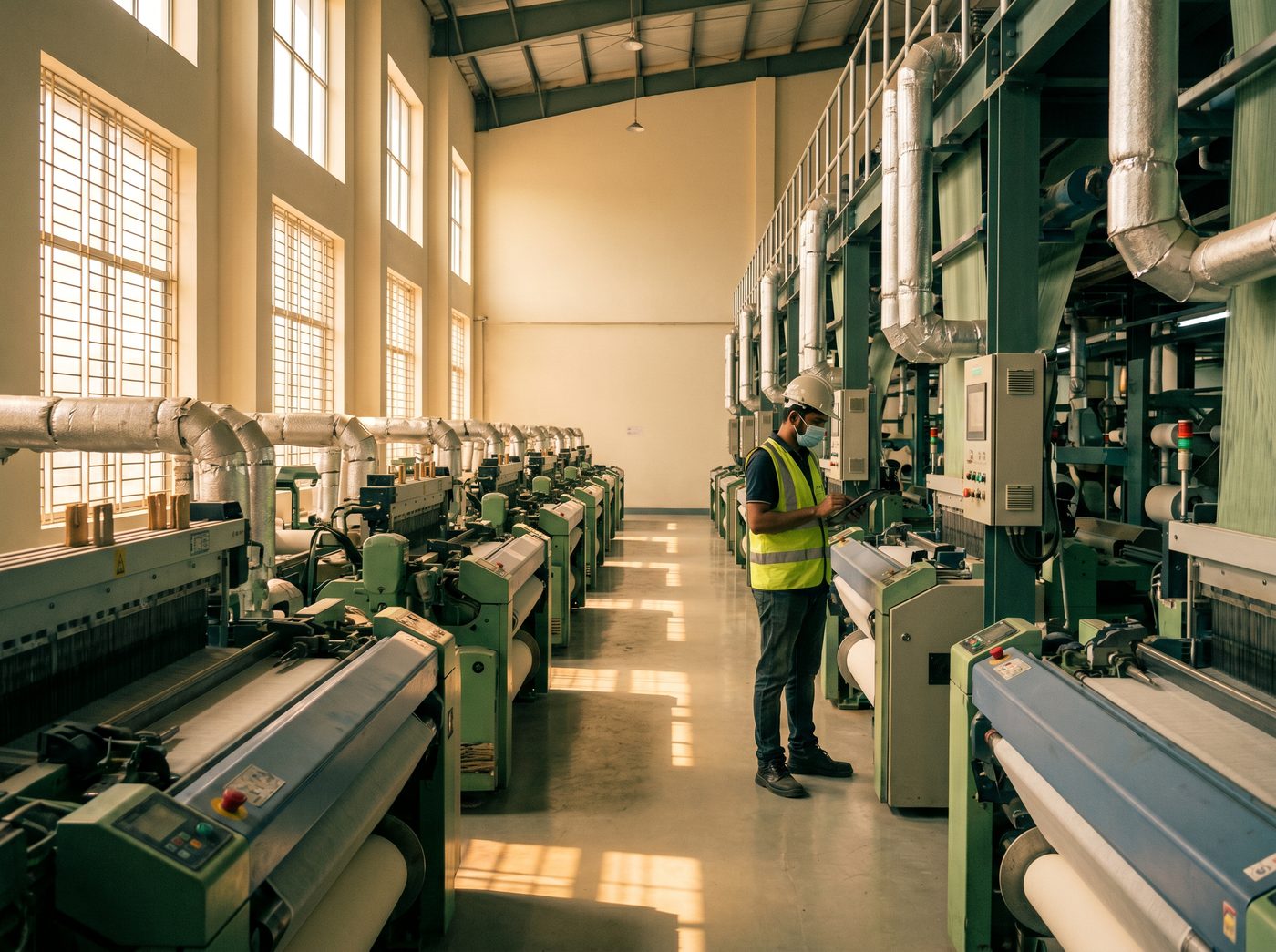
Factory and industrial efficiency projects with data-first carbon potential.
Bangladeshi factories can reduce emissions through energy efficiency, process optimization, boilers, waste heat, and cleaner operations. We screen projects for methodology fit, metered data, ownership, and buyer relevance.
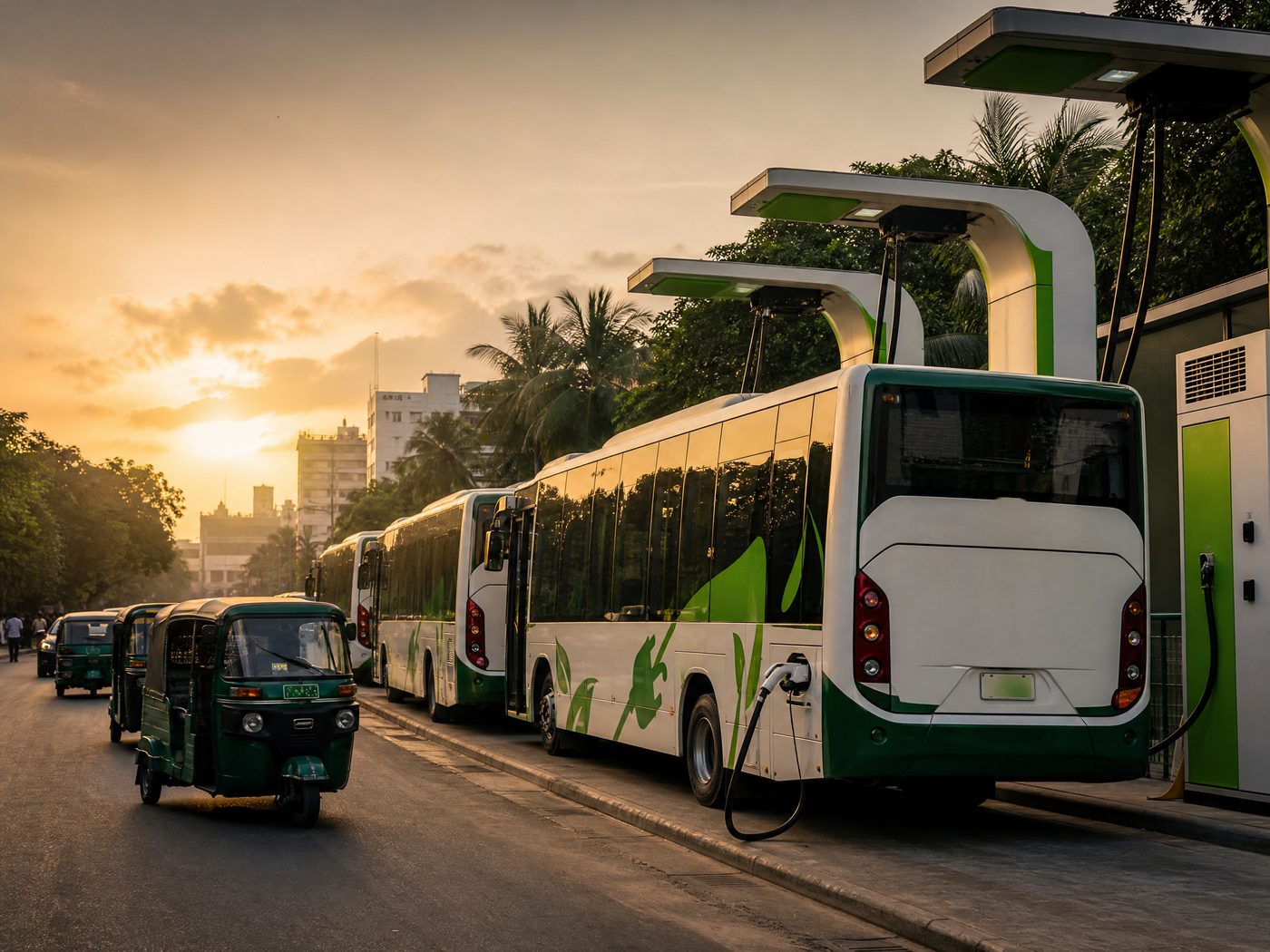
Low-carbon transport projects for cleaner urban mobility.
Electric buses, e-rickshaws, fleet electrification, modal shift, and fuel-efficiency programs can reduce transport emissions in Bangladesh’s fast-growing cities. We screen projects where activity data, baseline, and monitoring support credible, verifiable carbon claims.
Fuel-switch projects that move industry off high-carbon fuels.
Switching boilers, kilns, and process heat from coal or heavy fuel oil to cleaner gas, biomass, or electrified alternatives can deliver measurable emission reductions. We assess feedstock supply, metered baselines, and methodology fit for serious buyer diligence.